
Maximizing Efficiency with Circular Rail Conveyors in Industrial Applications
Dec 01,2025
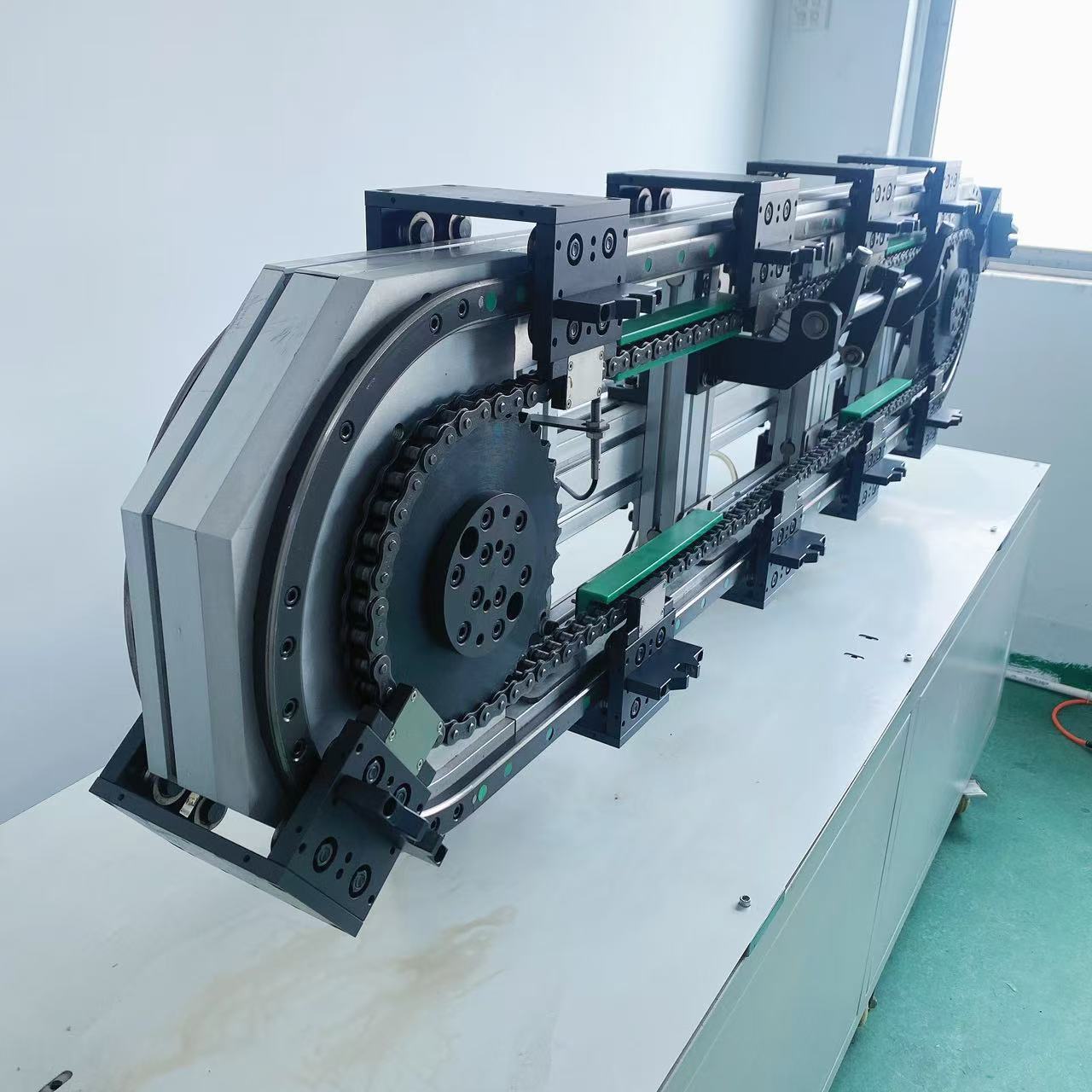
Circular rail conveyors are innovative material handling systems designed to optimize the flow of products within various industrial settings. These conveyors utilize a circular track that enables seamless movement of items, providing significant advantages in terms of space utilization and operational efficiency. By understanding the mechanics and applications of circular rail conveyors, professionals in the industrial equipment sector can harness their full potential for improving manufacturing processes.

One of the primary benefits of circular rail conveyors is their ability to maintain a continuous flow of materials. Unlike traditional linear conveyors, which can result in bottlenecks and downtime, circular rail systems facilitate uninterrupted movement. This feature is particularly advantageous in assembly lines, packaging operations, and other processes where consistency is crucial. By reducing idle time, businesses can enhance productivity and meet tight production schedules.
Additionally, circular rail conveyors are versatile and can be tailored to fit various layouts and operational requirements. They can be designed to accommodate different product sizes and weights, making them suitable for a wide range of applications, from automotive assembly to food processing. Their adaptability ensures that companies can implement these systems without extensive reconfiguration of existing workflows.
One key consideration when integrating circular rail conveyors is the design and layout of the system. Proper planning is essential to maximize the benefits of these conveyors. Factors such as the flow of materials, the location of workstations, and the overall facility layout must be evaluated to ensure that the conveyor system operates efficiently. Collaborating with experienced engineers and conveyor specialists can help in creating an optimal design that suits specific operational needs.
Maintenance is another critical aspect of circular rail conveyors. Regular inspections and upkeep are necessary to prevent potential breakdowns and ensure smooth operation. Companies should establish a maintenance schedule that includes cleaning, lubrication of moving parts, and monitoring of system performance. Proactive maintenance not only extends the lifespan of the conveyor system but also minimizes the risk of unexpected downtime.
Circular rail conveyors represent a valuable investment for businesses looking to enhance their material handling capabilities. Their ability to promote continuous flow and adaptability to various applications makes them an essential component of modern industrial equipment. By understanding their functionality and implementing best practices for design and maintenance, professionals can significantly improve operational efficiency and contribute to overall business success.
Hot Tags:
PREVIOUS:
Related News

Maximizing Efficiency with Circular Rail Conveyors in Industrial Applications

Elevate Your Manufacturing Process with Customized Guide Tracks

Exploring the Benefits of China Circular Conveyor Lines in Manufacturing
Understanding the Benefits of Quality Driven Track Systems for Manufacturing Machinery
The Essential Guide to Circular Rail Conveyors: Enhancing Industrial Efficiency

Custom Ring Guide Tracks: The Secret to Seamless Machinery Operations

Room 409, Unit 3, Building C2-3, No. 18, Sanhe Avenue, Zhongkai High-tech Zone, Huizhou


Certificates

REQUEST QUOTE
