
Understanding the Benefits of Quality Driven Track Systems for Manufacturing Machinery
Nov 16,2025
Understanding the Benefits of Quality Driven Track Systems for Manufacturing Machinery
In the manufacturing industry, precision and efficiency are paramount. As businesses strive for greater productivity, the importance of quality-driven track systems has never been more critical. These systems are not just components; they are integral to the overall functionality of machinery, providing the foundation for seamless operations and long-term success. In this article, we will delve into the multifaceted advantages of quality track systems, their various types, applications, and how they can optimize your manufacturing processes.
Table of Contents
- What Are Track Systems?
- The Importance of Quality in Track Systems
- Advantages of Quality Driven Track Systems
- Enhanced Precision and Accuracy
- Increased Durability and Longevity
- Improved Safety Standards
- Cost-Effectiveness and Efficiency
- Types of Track Systems in Manufacturing
- Applications of Track Systems in Manufacturing
- How to Choose Quality Track Systems
- Frequently Asked Questions
- Conclusion
What Are Track Systems?
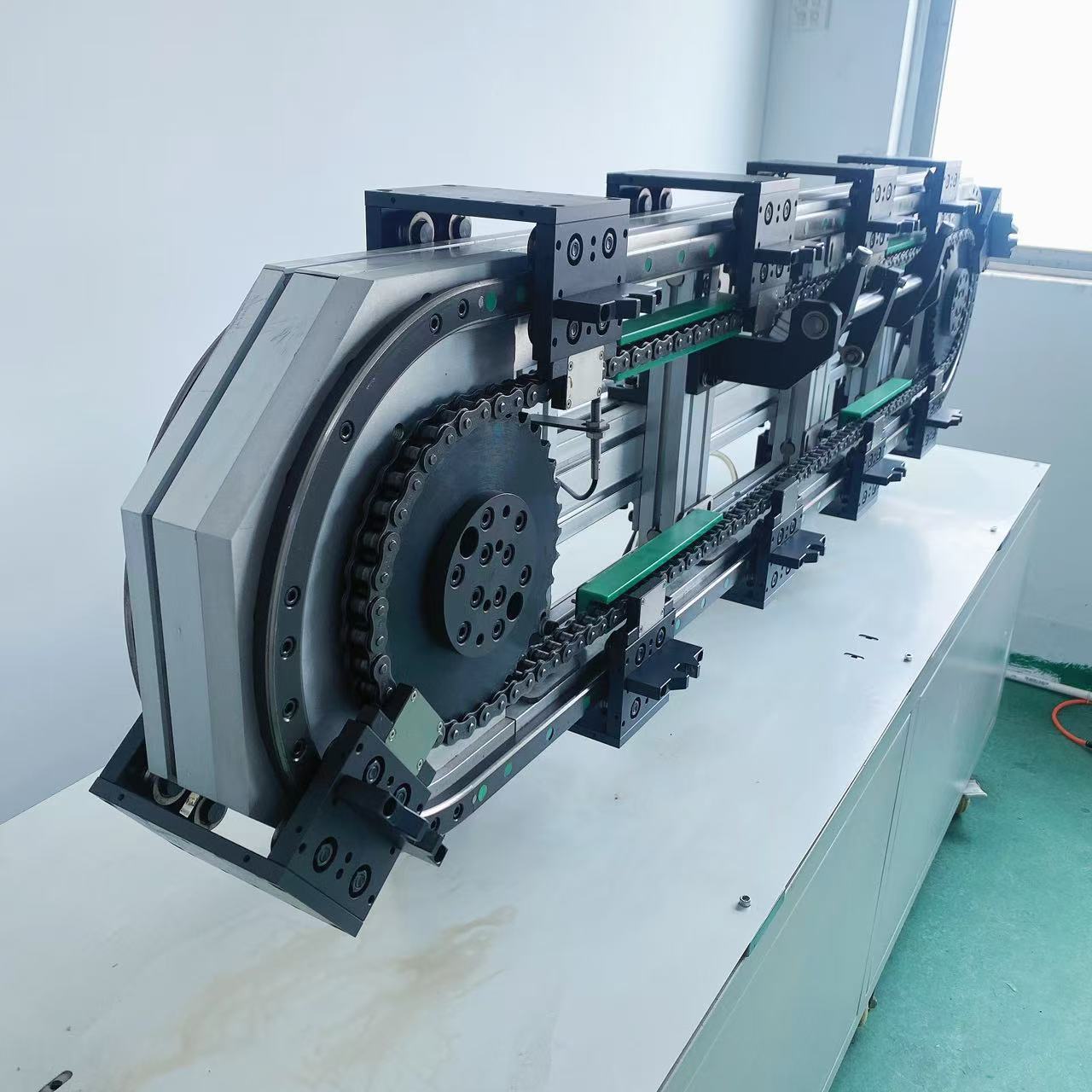
Track systems are mechanical assemblies utilized in various manufacturing processes to facilitate the movement of machinery parts and tools. They provide a guided path for components to travel along, ensuring smooth operation while minimizing friction and wear. Typically made of durable materials, these systems can range from simple linear tracks to complex configurations that support intricate machinery. Understanding the components and types of track systems is essential for any manufacturing professional looking to enhance their operational efficiency.
The Importance of Quality in Track Systems
Quality is non-negotiable when it comes to track systems. A well-constructed track can significantly influence the performance of the machinery it supports. Quality-driven track systems are engineered to meet stringent industry standards, ensuring that they can handle not only the mechanical stresses but also the environmental factors that may exist in a manufacturing setting. Investing in high-quality track systems means minimizing downtime, reducing maintenance costs, and improving overall productivity.
Advantages of Quality Driven Track Systems
When considering track systems for manufacturing machinery, several key advantages underscore the importance of choosing quality-driven solutions.
Enhanced Precision and Accuracy
Quality-driven track systems are designed with precision engineering, which enhances the accuracy of machine movements. This precision ensures that the machinery operates within its specified tolerances, resulting in high-quality output and reduced error rates. Whether it's CNC machining or assembly line processes, precision is crucial for maintaining product standards.
Increased Durability and Longevity
High-quality track systems are built to withstand the rigors of heavy use. They often incorporate advanced materials and coatings that enhance their resistance to wear and corrosion. This durability translates to a longer lifespan, reducing the need for frequent replacements and repairs, which can be costly and disruptive to production.
Improved Safety Standards
Safety is paramount in any manufacturing environment. Quality-driven track systems contribute to safer operations by providing stable and reliable movement for machinery. This reliability minimizes the risk of accidents caused by equipment failures, ensuring a safer work environment for all personnel involved.
Cost-Effectiveness and Efficiency
While quality-driven track systems may require a higher initial investment, their long-term cost-effectiveness is undeniable. By reducing maintenance and replacement costs, improving productivity, and enhancing safety, these systems can lead to significant savings over time. Additionally, efficient machinery ensures that production timelines are met, leading to better client satisfaction and potential revenue growth.
Types of Track Systems in Manufacturing
Understanding the different types of track systems available is essential for selecting the right one for your application. Each type has unique features that cater to specific operational needs.
Linear Guide Systems
Linear guide systems are designed to provide smooth and precise linear motion. They consist of rails and rolling elements such as ball bearings or rollers, allowing for minimal friction and high load capacities. These systems are widely used in precision machinery, including CNC machines and robotic applications.
Roller Track Systems
Roller track systems utilize cylindrical rollers to facilitate movement. They are ideal for applications requiring horizontal or vertical movements, such as conveyor systems. The design of roller tracks allows for efficient transport of materials, making them a popular choice in assembly lines and material handling.
Ball Bearing Track Systems
Ball bearing track systems incorporate ball bearings to reduce friction and enhance movement speed. These systems are particularly beneficial in applications requiring quick and smooth transitions, such as in automated storage and retrieval systems. The precision of ball bearing tracks makes them suitable for high-speed manufacturing processes.
Applications of Track Systems in Manufacturing
Track systems find applications across various sectors in manufacturing, each benefiting from their unique capabilities.
Automotive Manufacturing
In the automotive industry, track systems are essential for assembly lines, allowing for efficient movement of parts throughout the production process. They enable the integration of robotics and automation, improving speed and precision in vehicle assembly.
Aerospace Manufacturing
Aerospace manufacturing requires extreme precision and reliability, making quality track systems indispensable. From the assembly of aircraft components to the movement of heavy machinery, track systems ensure that operations are executed seamlessly and safely.
Electronics Manufacturing
In electronics manufacturing, track systems are utilized in the production of circuit boards and other components. The high-speed movement and accuracy provided by these systems are crucial for maintaining quality standards in electronic products.
How to Choose Quality Track Systems
Selecting the right track system for your manufacturing needs involves several considerations:
Assess Your Requirements
Determine the specific needs of your operation, including load capacities, speed requirements, and environmental conditions. Each application may require a different type of track system, so understanding your requirements is essential.
Evaluate Material Quality
Quality track systems are made from durable materials that can withstand the demands of your application. Look for systems constructed from high-grade steel or alloys that offer resistance to wear and corrosion.
Consider Manufacturer Reputation
Choose track systems from reputable manufacturers known for their quality and reliability. Research customer reviews and industry standards to ensure you are investing in a trusted product.
Warranty and Support
A reliable warranty and customer support can provide peace of mind when investing in track systems. Ensure that the manufacturer offers comprehensive support for installation, maintenance, and troubleshooting.
Frequently Asked Questions
1. What are the key features to look for in a quality-driven track system?
When selecting a quality-driven track system, consider factors such as load capacity, precision, material quality, and the manufacturer’s reputation.
2. How does the choice of track system affect overall manufacturing efficiency?
The right track system can enhance the speed, accuracy, and reliability of machinery, leading to improved overall efficiency and productivity in manufacturing operations.
3. What maintenance is required for track systems?
Regular maintenance for track systems may include cleaning, lubrication, and inspection for wear and damage to ensure optimal performance.
4. Can track systems be customized for specific manufacturing needs?
Yes, many manufacturers offer customization options to tailor track systems to meet specific operational requirements, including length, load capacity, and material specifications.
5. What industries benefit the most from quality-driven track systems?
Industries such as automotive, aerospace, electronics, and general manufacturing significantly benefit from the precision and reliability offered by quality-driven track systems.
Conclusion
Quality-driven track systems play a crucial role in modern manufacturing, providing the necessary foundation for machinery to operate efficiently and safely. By understanding the advantages, types, and applications of these systems, manufacturers can make informed decisions that enhance productivity, reduce costs, and improve safety standards. Investing in high-quality track systems is not merely a choice; it is a strategic decision that can determine the success of your operations. As the manufacturing landscape continues to evolve, embracing quality-driven solutions will be key to staying competitive and achieving long-term growth.
Hot Tags:
Related News

Maximizing Efficiency with Circular Rail Conveyors in Industrial Applications

Elevate Your Manufacturing Process with Customized Guide Tracks

Exploring the Benefits of China Circular Conveyor Lines in Manufacturing
Understanding the Benefits of Quality Driven Track Systems for Manufacturing Machinery
The Essential Guide to Circular Rail Conveyors: Enhancing Industrial Efficiency

Custom Ring Guide Tracks: The Secret to Seamless Machinery Operations

Room 409, Unit 3, Building C2-3, No. 18, Sanhe Avenue, Zhongkai High-tech Zone, Huizhou


Certificates

REQUEST QUOTE
