
Elevate Your Manufacturing Process with Customized Guide Tracks
Nov 26,2025
Elevate Your Manufacturing Process with Customized Guide Tracks
Table of Contents
- Introduction to Customized Guide Tracks
- The Benefits of Customized Guide Tracks in Manufacturing
- Applications of Customized Guide Tracks in Various Industries
- Designing Your Customized Guide Tracks: Key Considerations
- Choosing the Right Materials for Guide Tracks
- Installation Process for Customized Guide Tracks
- Maintenance Tips for Prolonging the Life of Guide Tracks
- Case Studies: Success Stories with Customized Guide Tracks
- Frequently Asked Questions
- Conclusion
Introduction to Customized Guide Tracks
In today’s competitive manufacturing landscape, efficiency and precision are paramount. Customized guide tracks play a pivotal role in achieving these objectives. By providing a tailored solution to the unique challenges faced by manufacturers, guide tracks enhance the performance of machinery, improve workflow, and ultimately lead to higher productivity levels. This article delves into the importance of customized guide tracks and how they can elevate your manufacturing process.
The Benefits of Customized Guide Tracks in Manufacturing
Customized guide tracks offer a multitude of benefits that directly impact manufacturing processes. Here are some of the key advantages:
Enhanced Precision
The primary purpose of guide tracks is to provide a stable and precise path for moving components. By customizing these tracks to meet specific operational needs, manufacturers can significantly enhance the precision of their machines. This level of accuracy is essential in industries such as aerospace and automotive, where even the slightest deviation can lead to costly errors.
Improved Efficiency
Tailored guide tracks optimize the flow of production by reducing friction and increasing the speed at which components can move. This results in faster cycle times and improved overall efficiency in the manufacturing process. The ability to customize the design allows for integration with existing machinery, further enhancing productivity.
Reduced Downtime
Customized guide tracks can help minimize the risk of equipment failure. By selecting the right materials and design features, manufacturers can reduce wear and tear, leading to fewer breakdowns and less downtime. This reliability is critical for maintaining a productive manufacturing environment.
Cost-Effectiveness
Although there may be an initial investment in customized guide tracks, the long-term savings often outweigh the costs. Improved efficiency, reduced downtime, and enhanced precision contribute to lower operational costs and increased profitability.
Applications of Customized Guide Tracks in Various Industries
Customized guide tracks have a wide range of applications across various industries, each benefiting from tailored solutions that meet their specific needs.
Aerospace Industry
In the aerospace sector, precision and reliability are non-negotiable. Customized guide tracks are essential for various applications, including assembly lines, material handling, and CNC machining. They ensure that components are manufactured to the exact specifications required for safety and performance.
Automotive Manufacturing
The automotive industry relies heavily on efficient production lines. Customized guide tracks can facilitate the smooth operation of robotic arms, conveyors, and other machinery, ensuring that components are assembled quickly and accurately.
Medical Device Manufacturing
In the production of medical devices, compliance with stringent regulations is critical. Customized guide tracks help manufacturers maintain high levels of precision and cleanliness in their processes, ensuring that products meet the necessary safety standards.
Electronics Manufacturing
The electronics industry demands high precision and speed. Customized guide tracks allow for the efficient handling of delicate components, preventing damage and ensuring that products are assembled flawlessly.
Designing Your Customized Guide Tracks: Key Considerations
When designing customized guide tracks, several factors must be considered to ensure optimal performance.
Load Capacity
The first step in the design process is to determine the load capacity required. Understanding the weight and dimensions of the components that will run along the guide tracks is essential for selecting the appropriate materials and dimensions.
Speed and Movement
Consider the speed at which the components will move. High-speed applications require guide tracks that minimize friction and provide a smooth pathway to prevent wear and tear.
Environment
The operating environment plays a crucial role in the design of guide tracks. Factors such as temperature, humidity, and exposure to harsh chemicals must be taken into account to select the right materials and coatings.
Integration with Existing Systems
Customized guide tracks should seamlessly integrate with existing machinery and systems. This requires careful planning and consultation with engineers to ensure compatibility.
Choosing the Right Materials for Guide Tracks
The selection of materials for customized guide tracks is a vital decision that impacts their performance and longevity.
Aluminum
Aluminum is a popular choice due to its lightweight properties and resistance to corrosion. It is suitable for many manufacturing applications and can be easily machined into custom shapes.
Steel
Steel offers exceptional strength and durability, making it ideal for high-load applications. Custom steel guide tracks can be treated to enhance their performance and resistance to wear.
Plastic Composites
For specific applications where weight reduction and corrosion resistance are critical, plastic composites can be an excellent option. They can be customized to provide the required strength while being lightweight.
Specialty Alloys
In environments subject to extreme conditions, specialty alloys may be necessary. These materials can withstand high temperatures and corrosive substances, ensuring reliable performance.
Installation Process for Customized Guide Tracks
Proper installation of customized guide tracks is essential for achieving optimal performance.
Preparation
Before installation, it is crucial to prepare the mounting surfaces and ensure that they are clean and free from debris. This helps achieve a secure fit and prevents misalignment.
Alignment
Accurate alignment of the guide tracks is necessary to ensure smooth operation. Using precision tools to measure and adjust the positioning will prevent issues down the line.
Fastening Techniques
Depending on the design, various fastening techniques may be employed, including bolts, screws, or adhesive bonding. Each method has its own advantages and should be chosen based on the application.
Maintenance Tips for Prolonging the Life of Guide Tracks
To ensure the longevity and performance of customized guide tracks, regular maintenance is required.
Regular Inspections
Routine inspections are critical to identify any signs of wear and tear. Early detection of issues allows for timely intervention, preventing more significant problems.
Lubrication
Proper lubrication helps reduce friction and wear between moving parts. Selecting the right lubricant and applying it as per the manufacturer’s recommendations is essential for maintaining optimal performance.
Cleaning
Keeping guide tracks clean from debris and contaminants is vital. A regular cleaning schedule will help maintain smooth operation and prevent damage to the components.
Case Studies: Success Stories with Customized Guide Tracks
Several industries have experienced significant improvements in their manufacturing processes through the implementation of customized guide tracks.
Case Study 1: Aerospace Component Manufacturer
An aerospace component manufacturer saw a 30% increase in efficiency after integrating customized guide tracks into their CNC machining processes. The tailored design allowed for faster component handling and reduced cycle times.
Case Study 2: Automotive Assembly Line
An automotive assembly line reduced downtime by 20% after switching to customized guide tracks. The tracks were designed to accommodate the specific weight and speed requirements of their robotic assembly systems.
Case Study 3: Medical Device Production
A medical device manufacturer improved product quality and compliance with industry standards by implementing customized guide tracks that enhanced precision in their assembly processes.
Frequently Asked Questions
1. How do I know if customized guide tracks are right for my manufacturing process?
Assess your specific operational needs, including load capacity, speed, and environmental factors. Consulting with an expert can help you make an informed decision.
2. What materials are best for customized guide tracks?
The best materials depend on your application. Aluminum, steel, plastic composites, and specialty alloys each offer unique benefits based on operational requirements.
3. How often should I maintain my guide tracks?
Regular inspections should be conducted at least once a month, with lubrication and cleaning performed as needed based on usage and environmental conditions.
4. Can customized guide tracks be retrofitted to existing machinery?
Yes, customized guide tracks can often be designed to fit existing machinery, optimizing performance without requiring complete system overhauls.
5. What are the lead times for ordering customized guide tracks?
Lead times can vary based on complexity and materials, but typically range from a few weeks to a couple of months. It’s best to consult with your supplier for specific timelines.
Conclusion
Customized guide tracks are essential tools in enhancing the manufacturing process across various industries. By providing tailored solutions that address specific operational challenges, these tracks improve precision, efficiency, and reliability. Understanding the benefits, applications, and maintenance of guide tracks will empower manufacturers to make informed decisions that elevate their production capabilities. Investing in customized guide tracks is not just a choice; it’s a strategic move toward achieving higher productivity and sustained competitive advantage in the ever-evolving manufacturing landscape.
Hot Tags:
Related News

Maximizing Efficiency with Circular Rail Conveyors in Industrial Applications

Elevate Your Manufacturing Process with Customized Guide Tracks

Exploring the Benefits of China Circular Conveyor Lines in Manufacturing
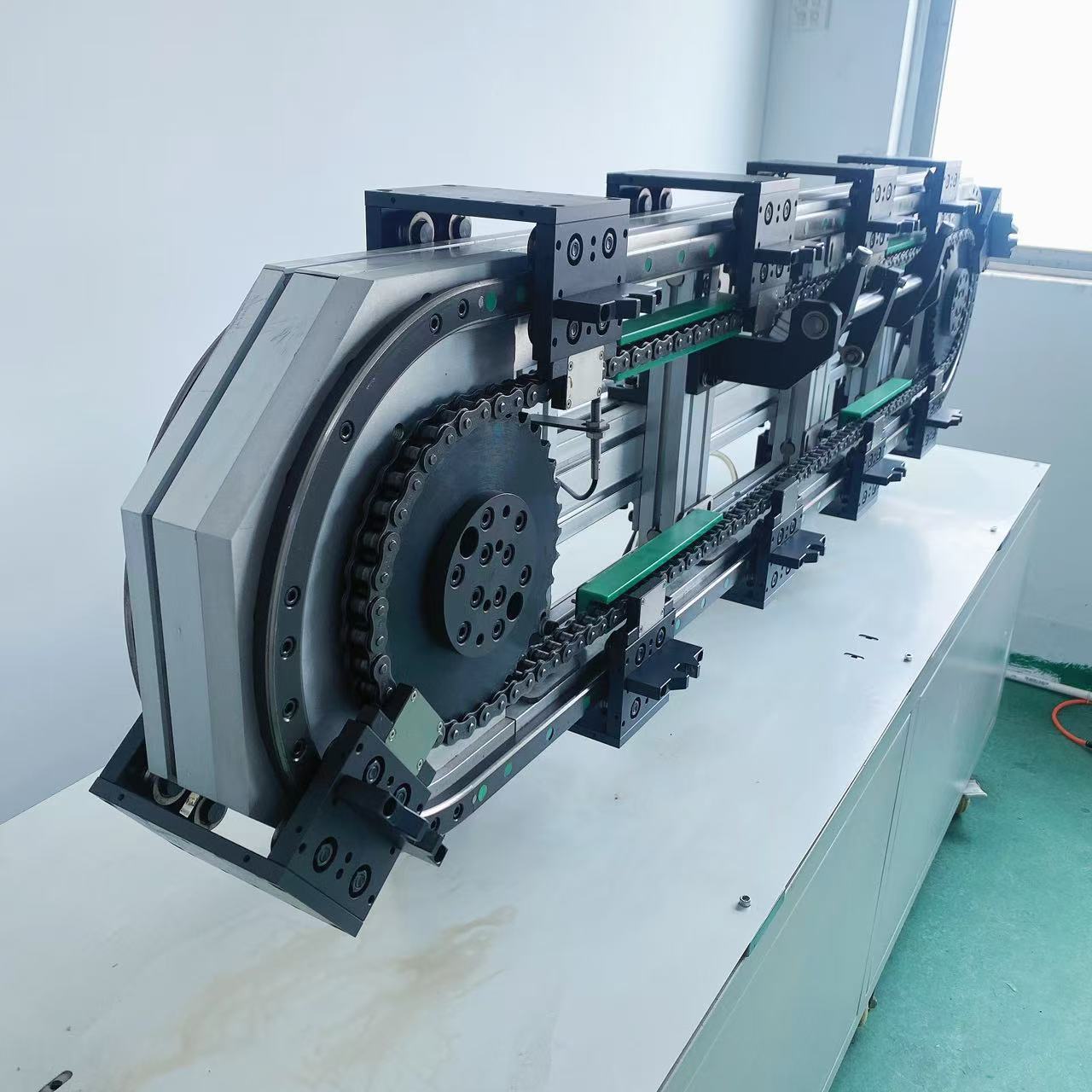
Understanding the Benefits of Quality Driven Track Systems for Manufacturing Machinery
The Essential Guide to Circular Rail Conveyors: Enhancing Industrial Efficiency

Custom Ring Guide Tracks: The Secret to Seamless Machinery Operations

Room 409, Unit 3, Building C2-3, No. 18, Sanhe Avenue, Zhongkai High-tech Zone, Huizhou


Certificates

REQUEST QUOTE
