
The Essential Guide to Circular Rail Conveyors: Enhancing Industrial Efficiency
Nov 11,2025
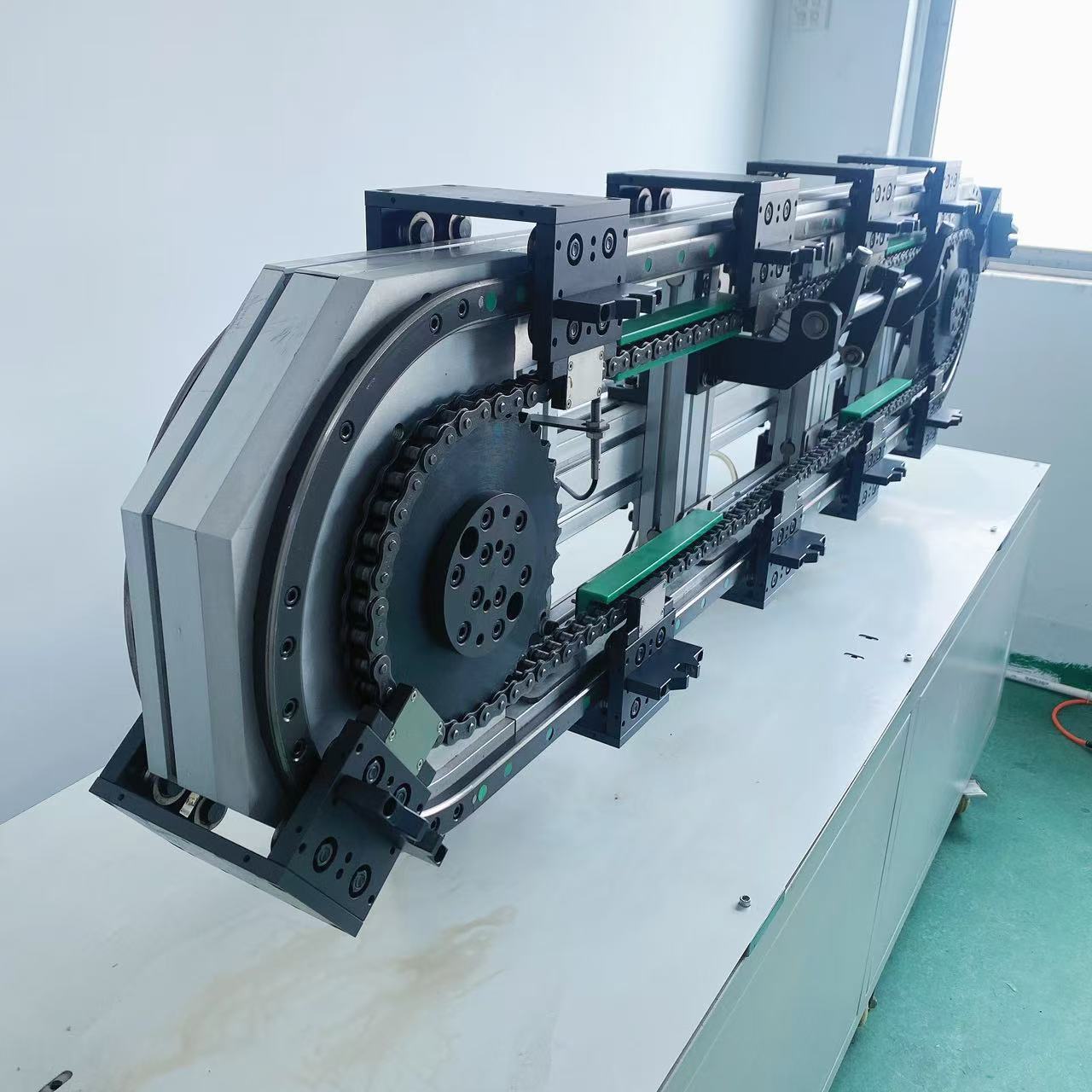
One of the most significant advantages of circular rail conveyors is their ability to handle a diverse range of products. Whether you work with large, bulky items or smaller, delicate components, these systems can be customized to accommodate your specific needs. This versatility makes them ideal for various industries, including automotive, electronics, and food processing.
Another key benefit of circular rail conveyors is their efficiency in reducing downtime. By enabling continuous movement of materials, these conveyors help maintain a steady workflow, minimizing the interruptions that can occur with other types of systems. This efficiency not only enhances productivity but also contributes to improved safety in the workplace, as employees can focus on their tasks without the constant need to stop and start the conveyor.
Furthermore, circular rail conveyors are designed with adaptability in mind. They can be integrated with other equipment, such as robotic arms or automated storage systems, creating a fully automated production line. This level of integration allows for improved data collection and analysis, facilitating better decision-making and operational adjustments.
Maintenance is another critical aspect of circular rail conveyors. Regular inspections and upkeep are essential to ensure optimal performance and longevity of the system. Many manufacturers offer maintenance services and support, helping businesses keep their conveyors in excellent working condition. Additionally, investing in high-quality components can significantly reduce the frequency of repairs and replacements, ultimately saving time and resources.
In terms of installation, circular rail conveyors can be tailored to fit various layouts, making them suitable for both new facilities and retrofitting existing ones. This flexibility allows businesses to optimize their production floor and enhance workflow efficiency.
In conclusion, circular rail conveyors represent a powerful tool in the realm of industrial equipment and components. Their ability to improve efficiency, adapt to various products, and integrate seamlessly with other systems makes them a valuable asset for businesses looking to enhance their operations. By understanding the functionalities and advantages of circular rail conveyors, companies can make informed decisions that lead to increased productivity and success in their respective industries.
Hot Tags:
Related News

Maximizing Efficiency with Circular Rail Conveyors in Industrial Applications

Elevate Your Manufacturing Process with Customized Guide Tracks

Exploring the Benefits of China Circular Conveyor Lines in Manufacturing
Understanding the Benefits of Quality Driven Track Systems for Manufacturing Machinery
The Essential Guide to Circular Rail Conveyors: Enhancing Industrial Efficiency

Custom Ring Guide Tracks: The Secret to Seamless Machinery Operations

Room 409, Unit 3, Building C2-3, No. 18, Sanhe Avenue, Zhongkai High-tech Zone, Huizhou


Certificates

REQUEST QUOTE
