
How Quality Driven Track Systems Transform Machine Tool Accessories
Oct 07,2025
How Quality Driven Track Systems Transform Machine Tool Accessories
Introduction to Quality Driven Track Systems
In the realm of manufacturing, the precision and efficiency of machine tools greatly depend on the quality of their accessories. One critical component that often gets overlooked is the track system. **Quality driven track systems** play a pivotal role in enhancing the performance of machine tool accessories, ensuring that operations run smoothly and effectively.
This article delves into the significant impact of track systems in the manufacturing industry, exploring their benefits, types, and applications. We will also address frequently asked questions to provide a comprehensive understanding of this essential component.
Understanding Track Systems in Machine Tool Accessories
What are Track Systems?
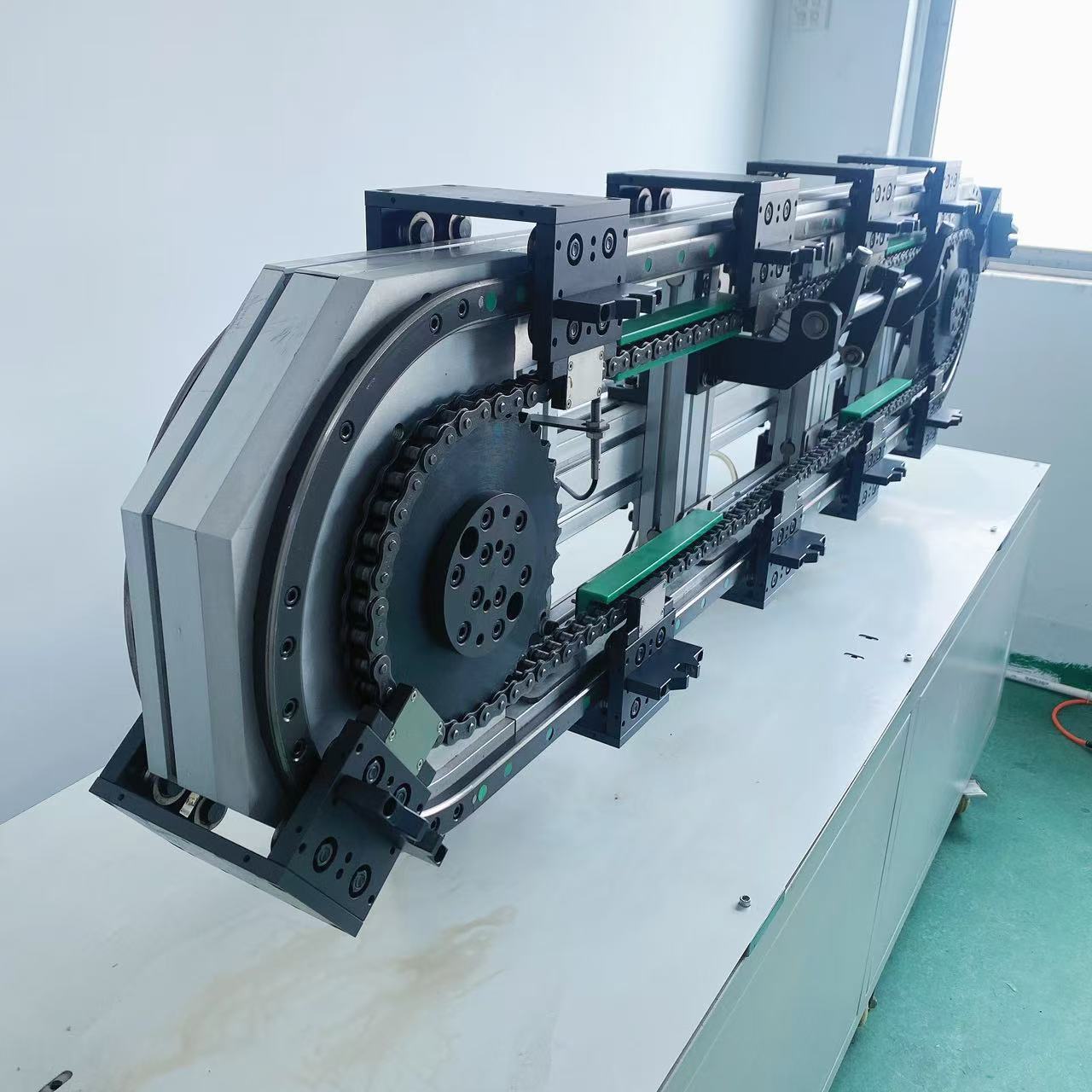
Track systems are linear guides that facilitate the smooth movement of tools and components within a machine. They are designed to provide stable guidance, reducing friction while enhancing accuracy. These systems are integral to various machine tools, including milling machines, lathes, and CNC machines.
The Importance of Quality in Track Systems
Quality is paramount when it comes to track systems. High-quality tracks ensure minimal wear and tear, prolonged service life, and consistent performance. Investing in quality-driven track systems not only enhances productivity but also reduces maintenance costs and downtime.
The Benefits of Quality Driven Track Systems
1. Enhanced Precision in Operations
One of the most significant advantages of quality-driven track systems is their ability to enhance precision. By minimizing play and providing stable guidance, these systems ensure that tools maintain their position with utmost accuracy. This level of precision is crucial for tasks that require intricate detail and consistency.
2. Increased Efficiency and Productivity
Quality track systems contribute to increased efficiency by enabling faster movement and reduced cycle times. When tools move smoothly along properly aligned tracks, productivity rises. This efficiency is particularly vital in high-volume manufacturing environments where time is money.
3. Reduced Maintenance and Downtime
Investing in high-quality track systems means less frequent maintenance and lower downtime. Durable materials and precise engineering lead to systems that can withstand heavy loads and demanding conditions. This reliability translates to fewer interruptions in production, allowing businesses to operate at optimal levels.
4. Improved Load Capacity
Quality driven track systems are designed to handle significant loads without compromising performance. With advanced engineering, these systems can support heavier machine tools and accessories, making them suitable for a wider range of applications.
5. Enhanced Safety Features
Safety is paramount in any manufacturing process. Quality track systems often incorporate advanced safety features, such as fail-safes and emergency stops, reducing the risk of accidents during operation. These features not only protect workers but also safeguard expensive machinery.
Types of Track Systems Used in Machine Tool Accessories
1. Linear Motion Guides
Linear motion guides are one of the most common types of track systems in machine tools. They provide smooth and precise movement along a straight path and are ideal for applications requiring high accuracy. They are available in various configurations, including ball bearing and roller bearing designs.
2. Profile Rails
Profile rails offer a robust solution for heavy-duty applications. They consist of a rail with a specific cross-section designed to accommodate linear bearings. These systems are particularly effective in environments with high loads and demanding conditions.
3. Ball Rails
Ball rails utilize ball bearings to reduce friction, providing smooth movement. They are highly efficient for applications that require both speed and precision, making them a popular choice in modern machining processes.
4. Magnetic Track Systems
Magnetic track systems utilize magnetic forces to guide movement. These innovative systems offer the advantage of reduced wear and tear since there are no physical contact points between the moving parts. They are particularly beneficial in applications requiring high-speed operations.
Applications of Quality Driven Track Systems in Manufacturing
1. CNC Machining
CNC machines rely heavily on precise movement, making quality track systems essential. These systems ensure that the cutting tools maintain accuracy during operation, resulting in higher quality outputs.
2. Robotics
In the realm of robotics, track systems are utilized to guide robotic arms and components. Quality-driven systems allow for smooth and precise movements, enhancing the overall performance of robotic systems.
3. Assembly Lines
Quality track systems are also pivotal in assembly line operations, where multiple components need to be aligned and moved with precision. Implementing robust track systems ensures that assembly processes are efficient and error-free.
4. Material Handling
In material handling applications, track systems facilitate the smooth transfer of materials between processes. Quality-driven systems ensure that heavy loads are moved safely and efficiently, reducing the risk of accidents.
Choosing the Right Track System for Your Needs
1. Assess Your Requirements
Before selecting a track system, it’s crucial to assess your specific requirements. Consider factors such as load capacity, speed, precision, and environmental conditions.
2. Material Selection
The materials used in the construction of track systems can significantly impact their performance. High-quality steel or aluminum options may offer better durability and load-carrying capacity.
3. Maintenance Considerations
Evaluate the maintenance requirements of different track systems. Opting for systems that require minimal maintenance can lead to long-term cost savings.
Frequently Asked Questions (FAQs)
1. What are the key benefits of using quality track systems in machine tools?
Quality track systems enhance precision, increase efficiency, reduce maintenance, improve load capacity, and feature enhanced safety measures.
2. How do I know which type of track system is best for my application?
Assess your specific needs, including load capacity, speed, and precision requirements, to determine the most suitable track system.
3. What materials are commonly used in quality track systems?
Common materials include high-grade steel and aluminum, which provide durability and strength in various manufacturing environments.
4. Can quality track systems improve machine tool longevity?
Yes, by reducing wear and tear, quality track systems can extend the lifespan of machine tools and accessories.
5. How can I maintain my track system for optimal performance?
Regularly inspect for wear, keep the system clean, and lubricate moving parts as recommended by the manufacturer to ensure optimal performance.
Conclusion
As we have explored, **quality driven track systems** are integral to transforming machine tool accessories in the manufacturing industry. By enhancing precision, increasing efficiency, and reducing maintenance costs, these systems play a crucial role in modern machining environments. Selecting the right track system tailored to specific needs can lead to significant improvements in productivity and safety, ultimately driving success in the competitive landscape of manufacturing. Investing in high-quality track systems is not just a choice; it is a step toward achieving excellence in production processes.
Hot Tags:
Related News

Maximizing Efficiency with Circular Rail Conveyors in Industrial Applications

Elevate Your Manufacturing Process with Customized Guide Tracks

Exploring the Benefits of China Circular Conveyor Lines in Manufacturing
Understanding the Benefits of Quality Driven Track Systems for Manufacturing Machinery
The Essential Guide to Circular Rail Conveyors: Enhancing Industrial Efficiency

Custom Ring Guide Tracks: The Secret to Seamless Machinery Operations

Room 409, Unit 3, Building C2-3, No. 18, Sanhe Avenue, Zhongkai High-tech Zone, Huizhou


Certificates

REQUEST QUOTE
