
Quality Driven Track Systems: A Game Changer for Machining Applications
Dec 06,2025
Quality Driven Track Systems: A Game Changer for Machining Applications
Table of Contents
- 1. Introduction to Quality Driven Track Systems
- 2. Importance of Quality in Track Systems
- 3. Types of Track Systems Used in Machining
- 4. Benefits of Quality Driven Track Systems
- 4.1. Enhanced Precision and Accuracy
- 4.2. Improved Efficiency in Manufacturing
- 4.3. Longevity and Durability
- 5. Applications of Track Systems in Machining
- 6. The Future of Track Systems in Machining
- 7. Frequently Asked Questions
- 8. Conclusion
1. Introduction to Quality Driven Track Systems
The landscape of machining applications is ever-evolving, driven by the need for enhanced productivity and precision. In this context, **quality-driven track systems** have emerged as pivotal components that not only support but also enhance the overall functionality of **machine tools**. These systems facilitate smooth movement and positioning of various machine components, ensuring that operations are executed with minimal friction and maximum efficiency.
2. Importance of Quality in Track Systems
A **quality-driven track system** is built to withstand the rigorous demands of machining environments. The importance of quality cannot be overstated; inferior track systems can lead to misalignment, increased wear, and ultimately, costly downtime. High-quality track systems ensure that machinery operates within the specified tolerances, thereby enhancing the reliability and **productivity of machining processes**.
The Role of Precision Engineering
Precision engineering is at the heart of developing these systems. Manufacturers invest significantly in research and development to produce track systems that meet stringent quality standards. The incorporation of advanced materials and engineering techniques results in products that offer superior performance and longer lifespans.
3. Types of Track Systems Used in Machining
Various types of track systems are employed in machining applications, each with its unique benefits and characteristics.
3.1. Linear Track Systems
Linear track systems are designed to facilitate straight-line motion of machine components. These systems are commonly used in CNC machines, where precision and repeatability are critical. The linear guides reduce friction through the use of ball bearings or rollers, enabling smooth and accurate movement along the track.
3.2. Curvilinear Track Systems
Curvilinear track systems allow for movement along curved paths, making them ideal for applications that require complex motion profiles. They are often utilized in automated machinery and robotics, where flexibility in operation is essential. These systems enhance the versatility of machinery, allowing for intricate manufacturing processes.
4. Benefits of Quality Driven Track Systems
Investing in quality-driven track systems offers numerous advantages that can significantly impact overall manufacturing efficiency and output.
4.1. Enhanced Precision and Accuracy
One of the primary benefits of using high-quality track systems is the enhanced precision and accuracy they provide. This leads to consistent product quality and reduces the likelihood of defects in machined components. The ability to maintain tight tolerances is crucial in industries where even minor deviations can result in significant issues.
4.2. Improved Efficiency in Manufacturing
Quality-driven track systems streamline operations by reducing friction and ensuring smooth motion. This efficiency translates into faster production times and a reduction in energy consumption. As a result, manufacturers can produce more while minimizing operational costs.
4.3. Longevity and Durability
Durability is another hallmark of quality-driven track systems. These systems are engineered to withstand harsh working conditions, including exposure to heat, dust, and heavy loads. Investing in durable track systems reduces the frequency of replacements and minimizes maintenance costs over time.
5. Applications of Track Systems in Machining
Quality-driven track systems find applications across a diverse range of machining environments. From automotive manufacturing to aerospace components, these systems are integral to various industries.
Applications in CNC Machining
In the realm of CNC machining, track systems play a vital role in guiding cutting tools with precision. They ensure that tools follow programmed paths accurately, resulting in high-quality finishes and dimensional accuracy.
Robotics and Automation
With the rise of automation, track systems have become essential in robotic applications. They facilitate the movement of robotic arms and components, allowing for versatile manufacturing solutions that can adapt to changing production demands.
6. The Future of Track Systems in Machining
As technology continues to advance, the future of track systems in machining looks promising. Innovations in materials, design, and automation will likely lead to even more efficient and reliable systems.
Integration with Smart Technologies
The integration of smart technologies into track systems, such as IoT and AI, will enhance performance monitoring and predictive maintenance. This shift will enable manufacturers to anticipate issues before they arise, further improving operational efficiency.
7. Frequently Asked Questions
What are quality-driven track systems?
Quality-driven track systems are engineered components that facilitate smooth motion and positioning in machining applications, ensuring high precision and efficiency.
How do track systems impact machining accuracy?
Track systems enhance machining accuracy by providing stable and precise movement, allowing tools to operate within tight tolerances.
What industries benefit from quality-driven track systems?
Industries such as automotive, aerospace, electronics, and robotics benefit significantly from quality-driven track systems in their manufacturing processes.
What materials are used in quality track systems?
Quality track systems are often made from high-strength alloys, polymers, and composite materials that provide durability and resistance to wear and tear.
How can I choose the right track system for my application?
Choosing the right track system involves considering factors such as load capacity, motion requirements, environmental conditions, and the desired level of precision.
8. Conclusion
Quality-driven track systems are indeed a game changer for machining applications. By prioritizing precision, efficiency, and durability, these systems not only improve operational performance but also drive innovation in the manufacturing sector. As industries continue to evolve, the adoption of high-quality track systems will play a crucial role in meeting the increasing demands for accuracy and productivity. Investing in these advanced solutions will ultimately contribute to greater competitive advantage and success in the machining landscape.
Hot Tags:
Related News

Maximizing Efficiency with Circular Rail Conveyors in Industrial Applications

Elevate Your Manufacturing Process with Customized Guide Tracks

Exploring the Benefits of China Circular Conveyor Lines in Manufacturing
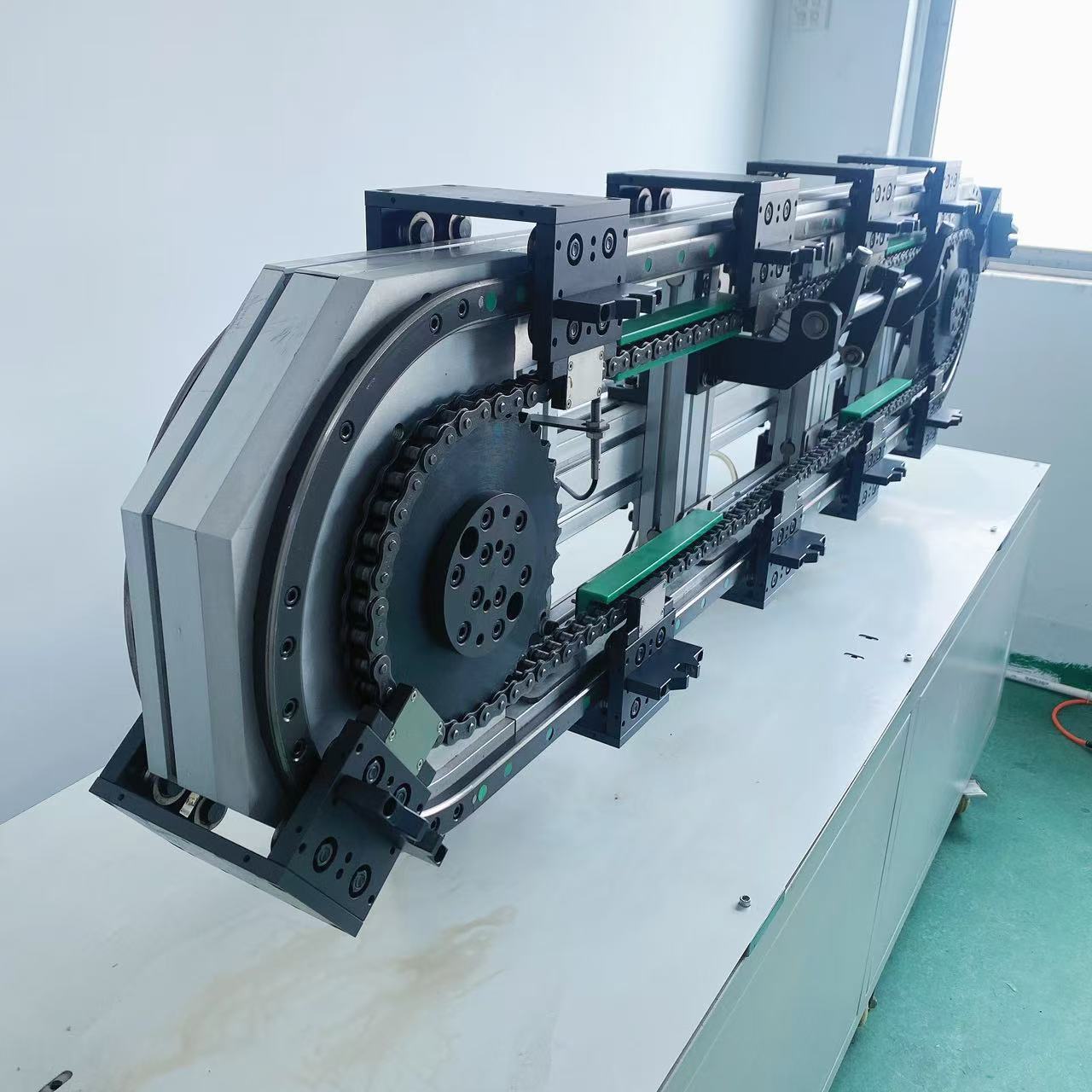
Understanding the Benefits of Quality Driven Track Systems for Manufacturing Machinery
The Essential Guide to Circular Rail Conveyors: Enhancing Industrial Efficiency

Custom Ring Guide Tracks: The Secret to Seamless Machinery Operations

Room 409, Unit 3, Building C2-3, No. 18, Sanhe Avenue, Zhongkai High-tech Zone, Huizhou


Certificates

REQUEST QUOTE
