
Maximizing Efficiency with Circular Rail Conveyors: A Comprehensive Overview
Dec 22,2025
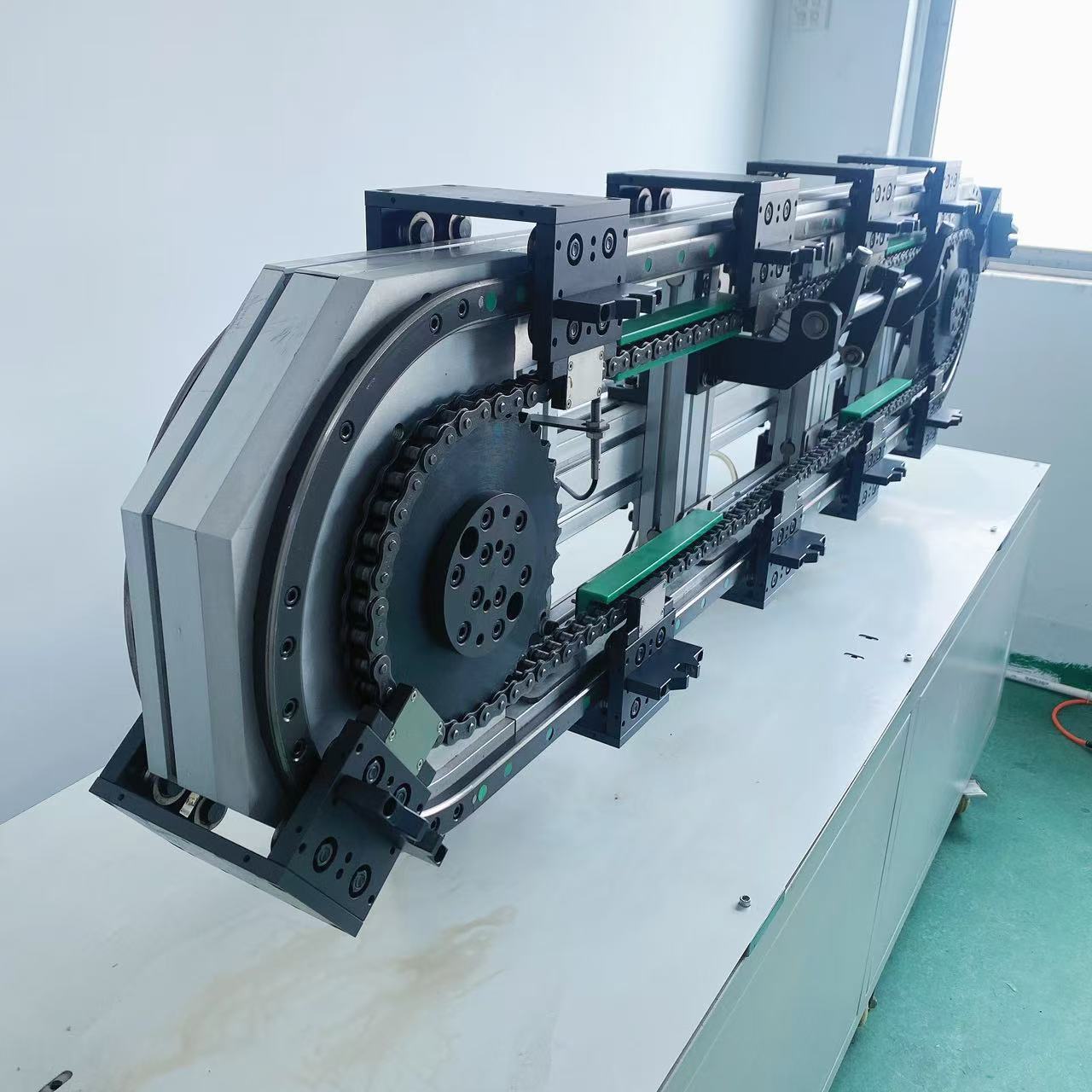
One of the primary benefits of circular rail conveyors is their ability to optimize space. Unlike linear conveyors that occupy extensive floor space, circular systems can effectively utilize compact areas, allowing for increased production capacity within a limited footprint. This spatial efficiency can lead to significant cost savings in terms of real estate and facility management.
The design of circular rail conveyors also offers flexibility in operational layouts. These systems can be easily integrated into existing workflows, enabling seamless transitions between different production stages. Whether transporting materials between workstations or facilitating the assembly of complex products, circular rail conveyors provide an adaptable solution that can cater to specific operational needs.
In industrial environments, the durability and reliability of equipment are crucial. Circular rail conveyors are typically constructed from robust materials designed to withstand the rigors of continuous operation. This resilience not only leads to reduced maintenance costs but also enhances the overall lifespan of the equipment. Furthermore, many systems incorporate features such as automated controls and sensors for monitoring and optimizing performance, contributing to better operational efficiency.
Another significant advantage of circular rail conveyors is their compatibility with various product types, including those with unique shapes or sizes. This adaptability allows manufacturers to handle diverse items without the need for extensive modifications to the conveyor system. As a result, businesses can achieve greater versatility in their product lines and respond more effectively to changing market demands.
Safety is also a paramount consideration in industrial operations. Circular rail conveyors can be designed with safety features such as emergency stop systems, guarding, and warning signals to protect operators and maintain compliance with safety regulations. By prioritizing safety, manufacturers can create a more secure working environment while minimizing the risk of accidents.
In conclusion, circular rail conveyors present a multitude of advantages for industrial applications, including increased space efficiency, flexibility, durability, product compatibility, and safety. By integrating these advanced systems into their operations, businesses can enhance productivity and streamline processes, ultimately leading to improved operational outcomes. Whether you are looking to optimize your material handling or enhance your assembly line efficiency, considering the implementation of circular rail conveyors could be a strategic move for your industrial operations.
Hot Tags:
Related News

Maximizing Efficiency with Circular Rail Conveyors in Industrial Applications

Elevate Your Manufacturing Process with Customized Guide Tracks

Exploring the Benefits of China Circular Conveyor Lines in Manufacturing
Understanding the Benefits of Quality Driven Track Systems for Manufacturing Machinery
The Essential Guide to Circular Rail Conveyors: Enhancing Industrial Efficiency

Custom Ring Guide Tracks: The Secret to Seamless Machinery Operations

Room 409, Unit 3, Building C2-3, No. 18, Sanhe Avenue, Zhongkai High-tech Zone, Huizhou


Certificates

REQUEST QUOTE
