
Understanding Curved Rails: Essential Insights for Precision Manufacturing
Feb 04,2025
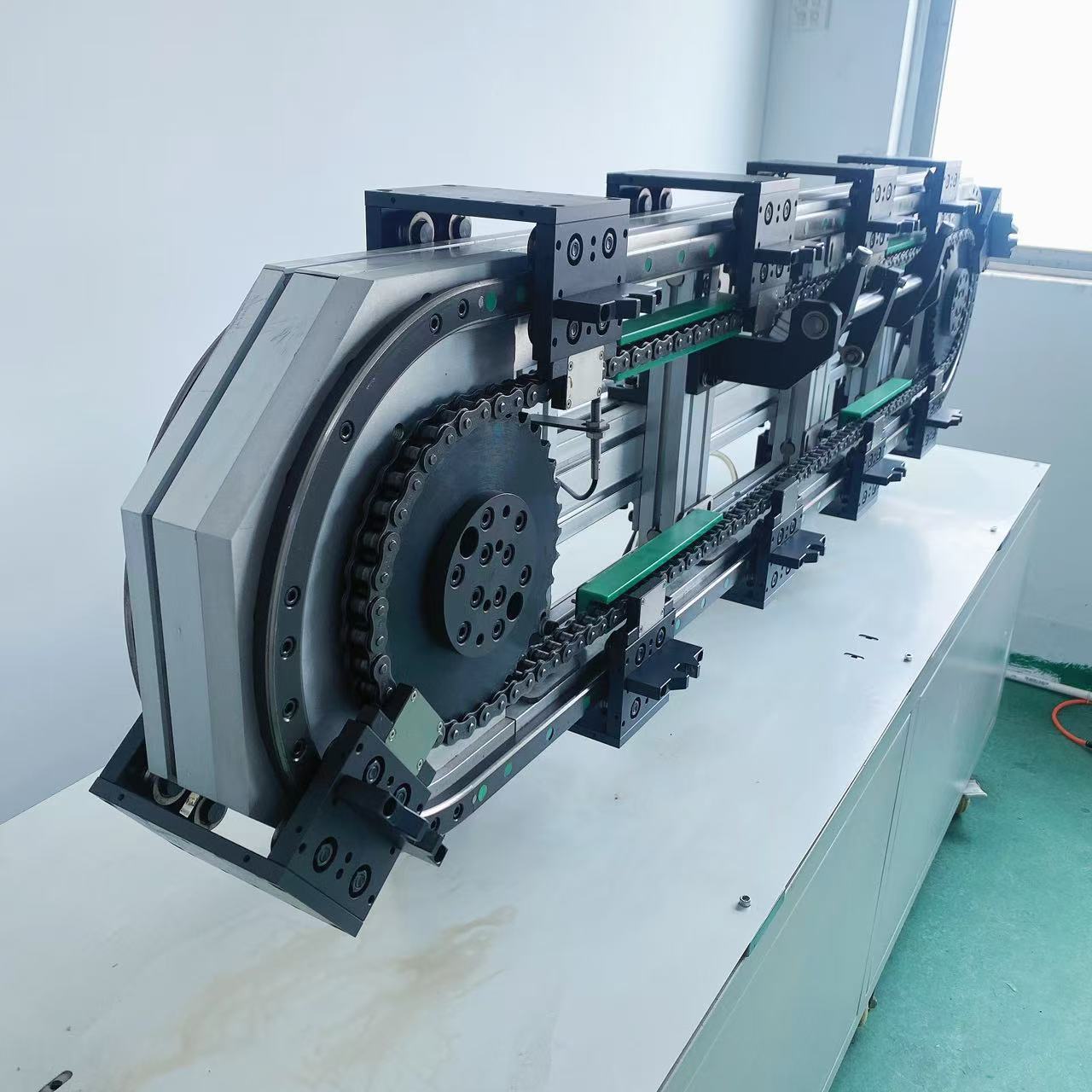
In the realm of manufacturing processing machinery, curved rails serve as critical components that facilitate smooth, precise motion in various applications. Unlike traditional linear rails, curved rails are specifically designed to accommodate curved paths, which allows for more flexibility in machine tool setups. This capability is especially beneficial when the design of the machine necessitates multi-directional movement, ensuring that workpieces can be handled efficiently without compromising accuracy.
One of the primary advantages of utilizing curved rails is their ability to minimize friction and wear on moving parts. By providing a smoother path for the machinery components, curved rails reduce the likelihood of mechanical failures and extend the operational lifespan of both the rails and the machine tools. Additionally, the reduction in friction leads to lower energy consumption, making the manufacturing process not only more efficient but also more environmentally friendly.
Designing curved rails involves a deep understanding of geometry and mechanical properties. The curvature must be optimized to match the specific requirements of each application, taking into account factors such as load capacity, speed, and the nature of the workpieces being processed. Engineers often employ advanced simulation software to model the behavior of curved rails under various operational conditions, ensuring that the final product meets the necessary performance standards.
Moreover, the manufacturing process of curved rails typically involves precision machining techniques. High-quality materials are selected to withstand the stresses of operation, while advanced manufacturing processes, such as CNC machining, ensure that the rails maintain tight tolerances required for accurate movement. Regular maintenance and inspection of these rails are also crucial, as any degradation in their condition can lead to significant operational inefficiencies.
Another critical aspect of curved rails is their versatility across different industries. They are widely used in automation systems, robotics, and CNC machines, where precise movement along a curved path can enhance productivity. This adaptability enables manufacturers to implement innovative solutions that would not be possible with standard linear rails, thus providing a competitive edge in a rapidly evolving market.
In conclusion, understanding the role of curved rails in manufacturing processing machinery is vital for industry professionals aiming to enhance their machining capabilities. By leveraging the benefits of curved rails, manufacturers can achieve greater efficiency, reduce operational costs, and improve the overall quality of their products. Embracing this technology will be essential for staying competitive in the ever-changing landscape of the manufacturing sector.
Hot Tags:
Related News

Maximizing Efficiency with Circular Rail Conveyors in Industrial Applications

Elevate Your Manufacturing Process with Customized Guide Tracks

Exploring the Benefits of China Circular Conveyor Lines in Manufacturing
Understanding the Benefits of Quality Driven Track Systems for Manufacturing Machinery
The Essential Guide to Circular Rail Conveyors: Enhancing Industrial Efficiency

Custom Ring Guide Tracks: The Secret to Seamless Machinery Operations

Room 409, Unit 3, Building C2-3, No. 18, Sanhe Avenue, Zhongkai High-tech Zone, Huizhou


Certificates

REQUEST QUOTE
