
The Advantages of Curved Rails in Manufacturing Processes
Feb 09,2025
In the modern manufacturing landscape, precision and efficiency are paramount. As industries evolve, the quest for technological advancements continues, leading to innovative solutions such as curved rails. These components play a crucial role in enhancing the performance of machinery used in manufacturing processes. In this article, we aim to explore the numerous benefits of curved rails, demonstrating how they unlock precision and optimize operational efficiency.
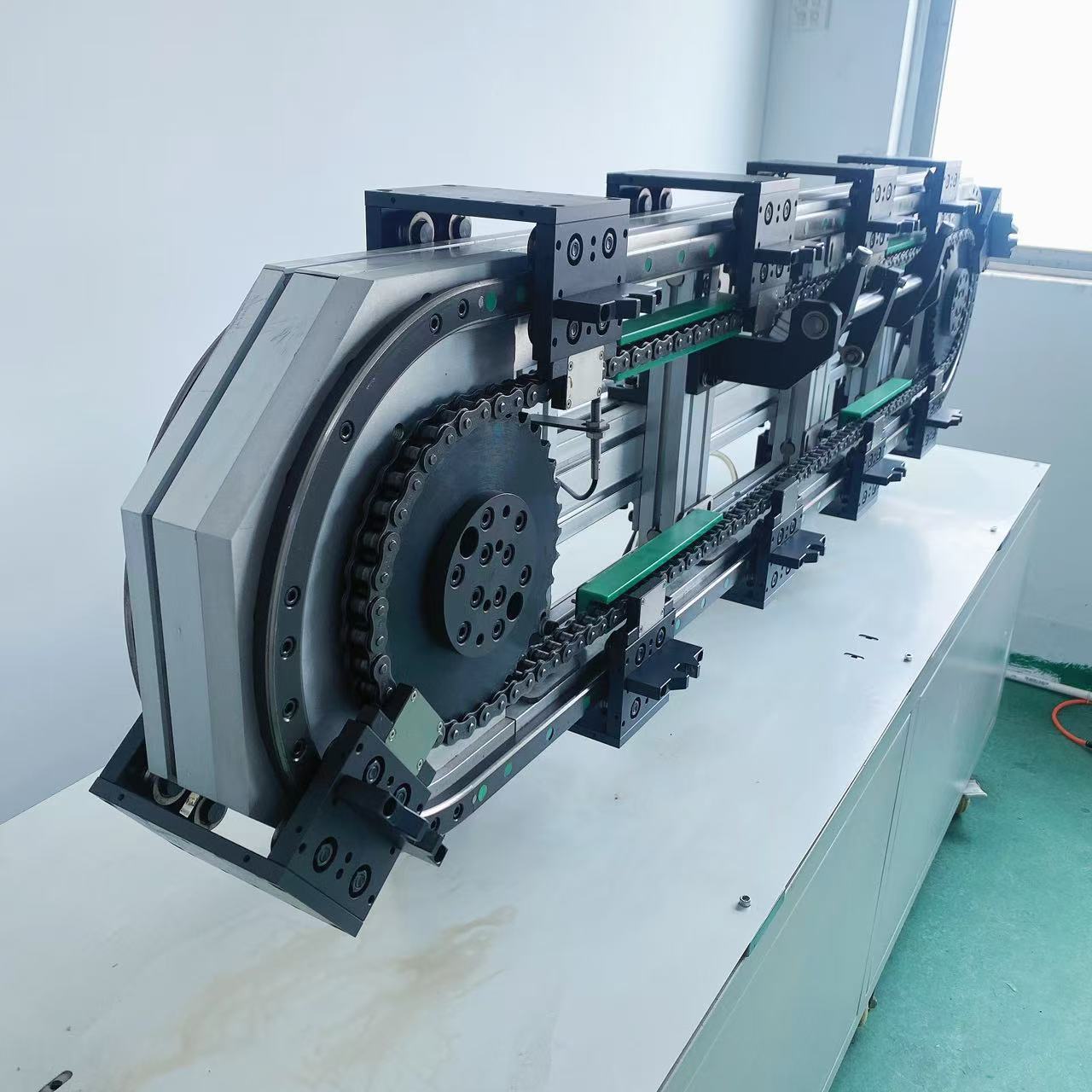
Curved rails consist of a track system designed to guide and support moving elements within machinery. Unlike straight rails, curved rails facilitate smoother transitions and movement across curves. This unique design allows for greater flexibility in machine functionality, enabling operators to achieve precise motion control, which is especially vital in high-stakes manufacturing environments.
Curved rails significantly enhance movement accuracy by allowing machinery to follow a more natural path. This improved trajectory reduces the likelihood of misalignments and errors, which can lead to defective products. The smooth transitions facilitated by curved rails ensure consistent and repeatable operations, critical for high-precision applications.
The automotive sector benefits greatly from the implementation of curved rails. These rails streamline the assembly process by allowing machines to navigate complex paths smoothly. This capability improves productivity and ensures that vehicles are assembled accurately and efficiently.
Robotics is another field where curved rails excel. They enable robots to maneuver around curves and corners with precision, increasing their operational capabilities. This flexibility makes robots more effective in performing tasks, from assembly to material handling.
When installing curved rails, it is crucial to ensure they are aligned correctly to prevent operational issues. Following the manufacturer's guidelines and employing experienced technicians will lead to successful installations. Regular inspections should also be scheduled to identify any misalignments early.
To maintain the efficiency of curved rails, operators should implement a routine maintenance schedule. This includes cleaning the rails to remove debris, lubricating moving parts, and checking for signs of wear. Regular maintenance not only prolongs the lifespan of the rails but also enhances the overall performance of the machinery.
Investing in curved rails can lead to significant cost savings for manufacturers. The initial investment is often offset by the reduction in maintenance costs and the increased efficiency of production processes.
The longevity and durability of curved rails mean fewer replacements and repairs, allowing manufacturers to allocate resources more effectively. Additionally, the improved productivity offered by these rails can lead to higher output and, ultimately, increased revenue.
Hot Tags:
Related News

Maximizing Efficiency with Circular Rail Conveyors in Industrial Applications

Elevate Your Manufacturing Process with Customized Guide Tracks

Exploring the Benefits of China Circular Conveyor Lines in Manufacturing
Understanding the Benefits of Quality Driven Track Systems for Manufacturing Machinery
The Essential Guide to Circular Rail Conveyors: Enhancing Industrial Efficiency

Custom Ring Guide Tracks: The Secret to Seamless Machinery Operations

Room 409, Unit 3, Building C2-3, No. 18, Sanhe Avenue, Zhongkai High-tech Zone, Huizhou


Certificates

REQUEST QUOTE
