
How Circular Guideways Enhance Manufacturing Efficiency
Dec 10,2024
In today’s fast-paced manufacturing environment, efficiency is critical. The quest for improved productivity often leads manufacturers to explore innovative solutions. One such advancement is the use of circular guideways. These components are essential in ensuring smooth operation and precision in various machining processes. By integrating circular guideways into manufacturing systems, companies can significantly enhance operational efficiency, reduce downtime, and improve overall product quality.
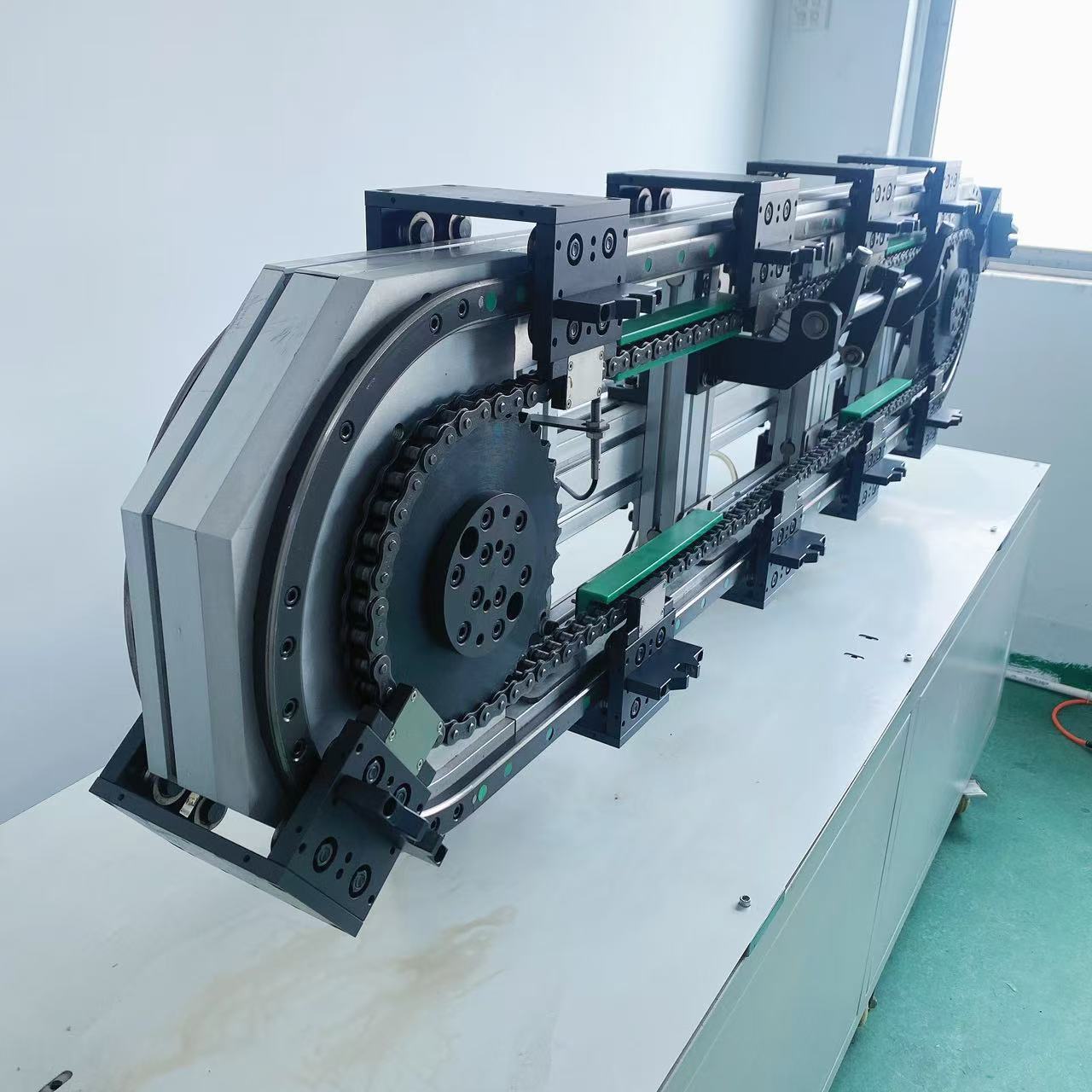
Circular guideways are specialized components that facilitate linear movement within machinery. Unlike traditional linear guideways, circular guideways allow for curved motion paths, making them ideal for applications requiring rotational movement. They consist of a circular track and a corresponding sliding element, providing a frictionless surface that enhances movement efficiency.
The construction of circular guideways typically involves high-grade materials such as steel, aluminum, and composite materials. These materials are chosen for their durability, strength, and resistance to wear. The choice of material directly impacts the guideway’s lifespan and performance, making it a crucial factor in design considerations.
Precision is paramount in manufacturing. Circular guideways facilitate precision movements, allowing machines to perform intricate operations with minimal errors. This accuracy is particularly important in industries such as aerospace, automotive, and electronics, where even the slightest deviation can result in significant quality issues or failures.
One of the notable benefits of circular guideways is their ability to reduce friction and wear. The smooth surface of the guideway minimizes contact resistance, leading to less heat generation and lower energy consumption. This reduction in friction extends the lifespan of both the guideway and the machinery, translating to lower maintenance costs and increased reliability.
Circular guideways enhance productivity by allowing for faster cycle times. The efficiency in movement means that machines can operate at higher speeds without compromising accuracy. This boost in productivity can lead to shorter lead times, enabling manufacturers to meet market demands swiftly and effectively.
In industrial machines, circular guideways are often found in CNC (Computer Numerical Control) machines, lathes, and milling machines. They facilitate complex machining operations that require both linear and rotational movement, which is essential for producing components with intricate designs.
The rise of automation and robotics has further increased the relevance of circular guideways. In robotic arms and automated assembly lines, these guideways allow for seamless movement and precise positioning of tools and components, ultimately enhancing the speed and accuracy of manufacturing processes.
Engineers must follow best practices during the design phase, including proper sizing of the guideway to accommodate load requirements and ensuring suitable alignment with other machine elements. Additionally, selecting the right material and surface treatment can significantly impact the guideway's performance and durability.
Regular maintenance is essential to prolong the lifespan of circular guideways. This includes periodic inspections, lubrication of moving parts, and timely replacement of worn-out components. Implementing a robust maintenance schedule can prevent costly breakdowns and ensure continuous operational efficiency.
As technology evolves, so too does the design and functionality of circular guideways. Future trends indicate a shift towards smart guideways equipped with sensors that monitor performance in real-time. This advancement will enable predictive maintenance, further enhancing efficiency and reducing unexpected downtime.
Additionally, the incorporation of lightweight materials and advanced manufacturing techniques such as 3D printing may revolutionize the production of circular guideways, making them more accessible and cost-effective.
Circular guideways are essential components in the modern manufacturing landscape, offering numerous benefits that enhance efficiency and precision. As technology continues to advance, the role of circular guideways will likely expand, leading to even greater efficiencies and innovations in manufacturing processes. By understanding their functionality, advantages, and applications, manufacturers can leverage circular guideways to optimize their operations, reduce costs, and improve product quality.
Hot Tags:
Related News

Maximizing Efficiency with Circular Rail Conveyors in Industrial Applications

Elevate Your Manufacturing Process with Customized Guide Tracks

Exploring the Benefits of China Circular Conveyor Lines in Manufacturing
Understanding the Benefits of Quality Driven Track Systems for Manufacturing Machinery
The Essential Guide to Circular Rail Conveyors: Enhancing Industrial Efficiency

Custom Ring Guide Tracks: The Secret to Seamless Machinery Operations

Room 409, Unit 3, Building C2-3, No. 18, Sanhe Avenue, Zhongkai High-tech Zone, Huizhou


Certificates

REQUEST QUOTE
