
The Essential Role of Circular Guideways in Precision Machining
Dec 13,2024
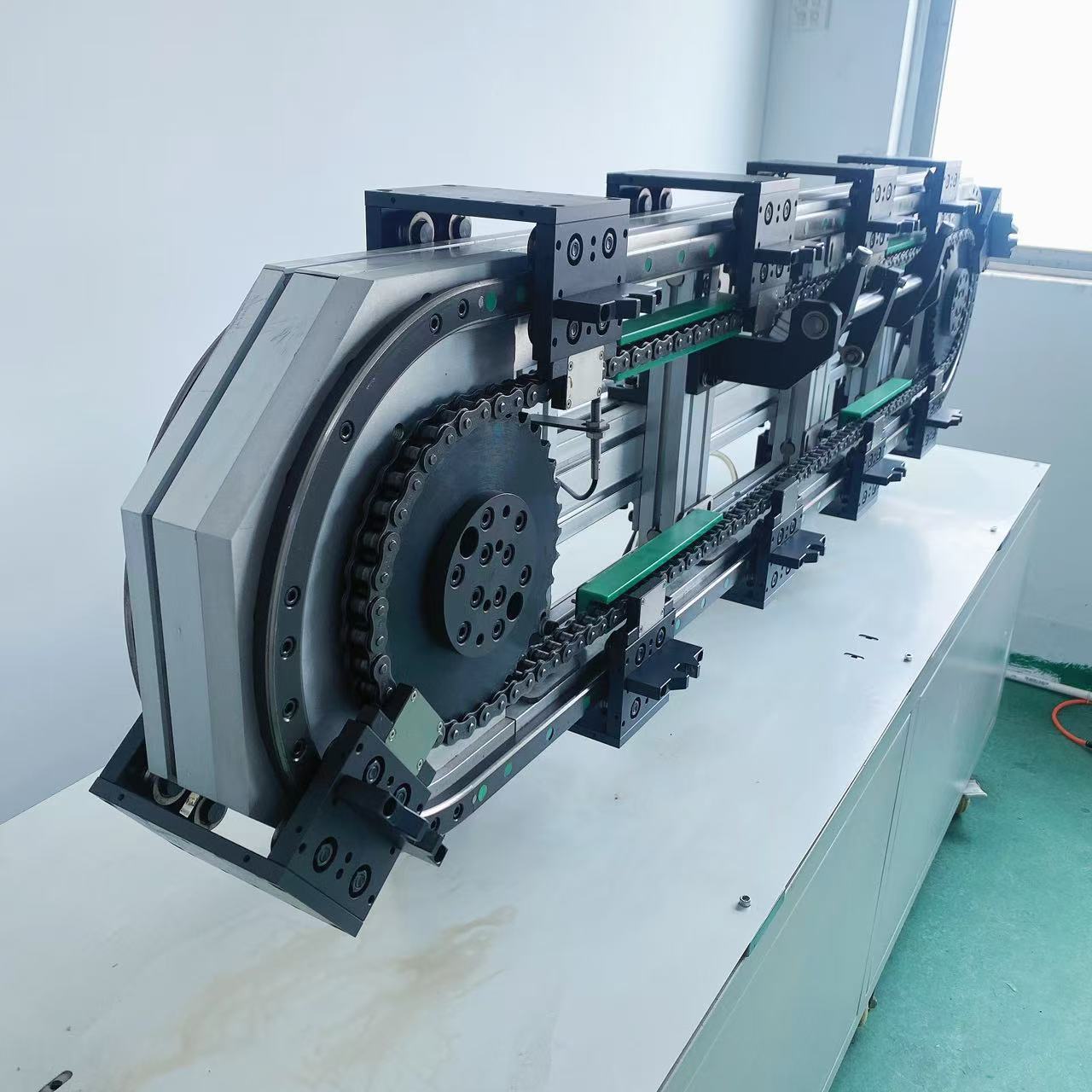
In the realm of manufacturing processing machinery, particularly in machine tool accessories, circular guideways play an integral role in ensuring precision and reliability. A circular guideway is a type of linear bearing system that allows for smooth and controlled movement in a circular path. This design is pivotal for applications requiring high levels of accuracy and repeatability, such as CNC (Computer Numerical Control) machines and robotic arms.
The primary function of a circular guideway is to facilitate the movement of machine components while minimizing friction and wear. This is achieved through a carefully engineered design that utilizes rolling elements, such as balls or rollers, which move along the guideway. The result is a reduced coefficient of friction, leading to lower energy consumption and extended lifespan of the machinery. In high-speed machining operations, where every fraction of a second counts, the efficiency provided by circular guideways is invaluable.
One of the key advantages of using circular guideways is their ability to maintain high precision over time. In precision machining, even the slightest deviation can lead to significant errors in the final product. Circular guideways help counteract this issue by providing a stable reference point for movement. This stability is essential for industries such as aerospace, automotive, and medical device manufacturing, where precision is non-negotiable.
Additionally, circular guideways can accommodate various load requirements, making them versatile for different applications. Whether in vertical or horizontal setups, they can be designed to handle heavy loads while still providing the necessary accuracy. This adaptability is crucial in modern manufacturing environments, where the demands on machinery can vary greatly.
Maintenance is another important aspect to consider when it comes to circular guideways. Regular inspection and lubrication are necessary to maintain their performance and longevity. By adhering to a strict maintenance schedule, manufacturers can ensure that their equipment continues to operate at optimal levels, reducing downtime and increasing productivity.
Moreover, the integration of advanced materials and coatings in the production of circular guideways has further enhanced their performance. These innovations not only improve durability but also increase resistance to environmental factors such as humidity and temperature fluctuations, which can adversely affect machining processes.
In conclusion, circular guideways are vital components in the world of manufacturing and machining. Their ability to provide precise motion, reduce friction, and adapt to various loads makes them indispensable in modern industrial applications. As manufacturers continue to seek ways to enhance efficiency and accuracy, the importance of circular guideways will only grow. Understanding their functionality and benefits can lead to better machinery design and improved manufacturing outcomes, ensuring that industries keep pace with the ever-evolving technological landscape.
Hot Tags:
Related News

Maximizing Efficiency with Circular Rail Conveyors in Industrial Applications

Elevate Your Manufacturing Process with Customized Guide Tracks

Exploring the Benefits of China Circular Conveyor Lines in Manufacturing
Understanding the Benefits of Quality Driven Track Systems for Manufacturing Machinery
The Essential Guide to Circular Rail Conveyors: Enhancing Industrial Efficiency

Custom Ring Guide Tracks: The Secret to Seamless Machinery Operations

Room 409, Unit 3, Building C2-3, No. 18, Sanhe Avenue, Zhongkai High-tech Zone, Huizhou


Certificates

REQUEST QUOTE
